
Federal Revenue says transition is on schedule, despite concerns over tax assessment systems, municipal readiness, implementation of new consumption taxes
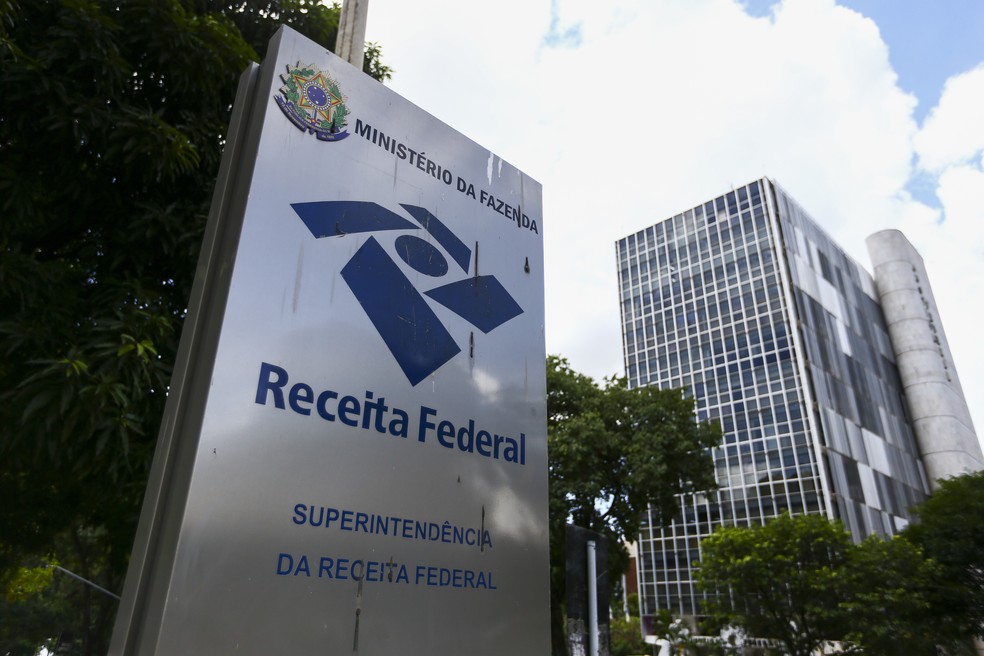
The updated version of the regulations governing the Contribution on Goods and Services (CBS) and the Tax on Goods and Services (IBS), the new consumption taxes established by Brazil’s tax reform, is expected to be released next week, the Federal Revenue Service said Tuesday (3). The absence of this document is one of the outstanding issues raised by experts interviewed by Valor in a report published Tuesday (3).
In the report, tax lawyers questioned whether the country would be able to transition to the new tax system on January 1, as stipulated by the reform, which amended the Federal Constitution, given the lack of documents, systems, and guidance.
“It is not possible to presume a constitutional change,” the Federal Revenue Service said in a statement. “The institution’s guidance remains that implementation will proceed according to the constitutional timetable.”
The agency added that “implementation is moving forward, regulatory instruments continue to be issued, technological solutions are under development, and the country has more than two decades of accumulated experience in tax digitalization to ensure a safe, predictable, and successful transition.”
The agency also said that a compliance program had been established, “prioritizing companies’ good faith and waiving penalties for taxpayers who act transparently and comply with the rules already published.”
Tax lawyers raised concerns about how the so-called assisted tax assessment system will work. It is a type of pre-filled tax return for the CBS and IBS. Under the system, the Federal Revenue Service will provide taxpayers with their tax credits and liabilities. However, taxpayers will not be able to amend the information themselves; they will only be able to approve or reject it.
In response, the agency said adjustments are being made to the system to allow corrections. The first version with this functionality will be available for the January 2027 tax assessment, it added.
Another issue raised was the risk of conflicting interpretations of the CBS and IBS rules. The Federal Revenue Service said federal administrative tax appeals bodies are already prepared to review cases involving the CBS. The agency is also working with the IBS Management Committee, made up of representatives from the states, the Federal District, and municipalities, to share formal tax rulings through common systems and promote consistency in administrative interpretations.
In the judicial sphere, the agency argued that Brazil’s procedural legislation already provides mechanisms to resolve potential jurisdictional disputes between judges and conflicting interpretations, to preserve legal certainty during the transition and preventing inconsistent court decisions.
Experts also pointed out that not all municipal governments are prepared to issue invoices under the new system. According to the Federal Revenue Service, municipalities are gradually joining the system. “Currently, 5,571 government entities—municipalities and the Federal District—have joined the National Electronic Service Invoice (NFS-e) agreement. Of these, 5,466 are already active and operational in the system, representing 98% of Brazilian municipalities,” the agency said.
One expert also noted the lack of invoice templates for rental payments and utility bills for water, electricity, and gas. According to the Federal Revenue Service, these templates are already available.
Another concern was the lack of complete data in the Brazilian Real Estate Registry (CIB), a kind of “tax ID for properties” that will be mandatory for transactions starting next year. Federal Revenue Service data show that the registry is not yet complete. The agency said 3,356 municipalities have joined the registry, including all state capitals except Macapá, in Amapá state. More than 24.5 million CIB numbers have already been issued.
Experts also raised concerns about the 11.3% reference rate for the CBS calculated by the Federal Court of Accounts (TCU), which is under review in the Senate. In response, the Federal Revenue Service said the figure is a reference rate designed to ensure revenue neutrality, but “does not correspond to the effective tax burden borne by taxpayers.” The actual burden, it said, depends on tax credits generated throughout the supply chain, whether preferential tax regimes and reduced rates apply, and other factors.
One indication that implementation of the reform is progressing, the Federal Revenue Service said, is the number of tax documents already issued under the new system. A total of 3.6 billion documents had been issued as of November 2, representing 86.9% of the total. Data on a government dashboard also show, however, that 23.4% of businesses issuing invoices still do not report CBS and IBS information, while another 27% report it only partially.
*By Lu Aiko Otta and Giordanna Neves — Brasília
Source: Valor International
https://valorinternational.globo.com/