
Brazilian adviser Carlos Silva Filho wants waste and circularity recognized in the conference’s final Antalya declaration
With no major negotiating issue or review of Paris Agreement targets on the agenda, COP31—the United Nations Climate Change Conference taking place from November 9 to 20 in Antalya, Turkey—aims to establish itself as the conference of implementation. The Turkish presidency has selected waste, the circular economy, and zero waste as one pathway for demonstrating practical results.
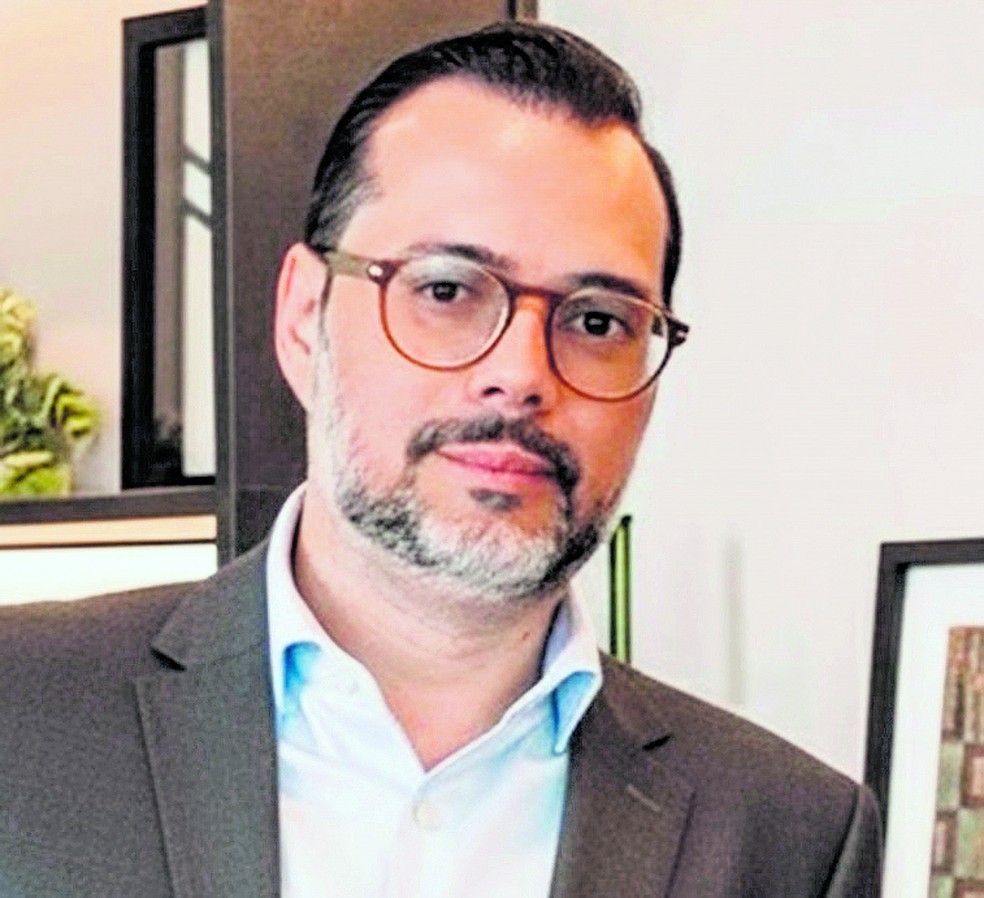
“This will be the COP of action and implementation,” explained Carlos Silva Filho, special adviser to the COP31 Climate High-Level Champion.
The Brazilian is one of four advisers on the team led by Samed Agirbas, COP31’s climate champion. Silva Filho is responsible for the Sustainable Development and Circular Economy agenda and helped formulate the sector’s targets, announced in September during New York Climate Week.
For waste, the goals are to halve the growth in municipal waste generation by 2035 and raise the global circular-material use rate to at least 15% over the same period. The rate currently stands at 6.9%.
The “Atlas Global de Resíduos Sólidos” (“Global Solid Waste Atlas”), released by the United Nations Environment Programme (UNEP) and the International Solid Waste Association (ISWA) in 2024, projects that solid-waste generation will rise from 2.3 billion tonnes in 2023 to 3.8 billion tonnes by 2050.
Currently, 38% of waste is discarded at unsuitable sites, and only 19% of municipal solid waste is recycled. Zero-waste and circular-economy measures, by contrast, could generate a net annual gain of $108.5 billion.
Silva Filho noted that waste is still regarded as relatively unimportant to the climate agenda because the sector directly accounts for about 3% of global greenhouse-gas emissions. However, studies underpinning the team’s work show that proper waste management could help reduce total emissions by as much as 25% because its effects extend far beyond the sector itself.
Biomethane is one example. Produced from waste, it reduces emissions within the sector and, when used as fuel, also cuts transportation emissions. Recycling is another example. By replacing virgin raw materials, it reduces emissions throughout the supply chain, from extraction to manufacturing, as when recycled aluminum replaces virgin bauxite.
Methane is another concern. “If we do not tackle methane, tackling carbon dioxide will do no good,” Filho warned.
Climate Tinder
Silva Filho recalled that years ago, during a COP meeting about issues to be included in the negotiations, he raised his hand to propose waste and the circular economy but was told the subject was unrelated to the climate agenda. Shortly afterward, at COP28 in Dubai in 2023, the sector secured its first pavilion.
Silva Filho advocates using zero waste and the circular economy as a cross-cutting platform connecting the workstreams of the climate-action agenda inherited from COP30. Those discussions gave rise to the Zero Waste Action Platform, launched in Turkey in June.
The Brazilian described it as a kind of “Tinder for climate action,” connecting initiatives with what they need. “Not everyone needs money. One initiative may need regulatory improvements, while another needs to connect with infrastructure that already exists,” he explained. In his view, this cross-sector connection should be COP31’s greatest legacy.
With no major negotiation at stake, companies have begun to realize that the conference’s results depend on them, Silva Filho noted. “While governments set targets and provide guidance, the private sector carries out the work.”
This year, the conference will feature its own building, the Zero Waste Pavilion, with three auditoriums and 180 plenary sessions planned. Zero Waste Day will be held on November 11, coinciding with the leaders’ summit. The program includes a panel on biomethane featuring Brazilian company Orizon.
“These are not projects from someone who had an idea and wants to get it off the ground. This is what the waste sector is already doing in practice,” Filho emphasized. Rio de Janeiro has already announced that it wants to join the zero-waste districts through an initiative to divert organic waste from landfills. The team is also working to ensure that the final Antalya declaration recognizes proper waste management and zero waste.
The Brazilian government brought the recently approved “Estratégia Nacional de Economia Circular” (“National Circular Economy Strategy”) to the discussions and presented Recircula Brasil. This online system tracks the materials chain to measure whether the global 15% circularity target is being met.
Domestically, however, Brazil is still moving slowly. The country’s waste-recovery rate is around 4% to 5%, according to Silva Filho. “The regulatory and technological framework is ready. We need to put it into practice,” he argued.
Financing is one of the bottlenecks. According to Silva Filho, the main challenge is not only investing in infrastructure but also funding the long-term operation and maintenance of facilities such as waste-treatment plants, for which no funding source exists. Alternatives under discussion include carbon or methane credits and mechanisms that hold producers responsible for what they place on the market.
*By Naiara Bertão — São Paulo
Source: Valor International
https://valorinternational.globo.com/