
Hog farmers fear a cash crunch, while meat processors expect pressure on profit margins
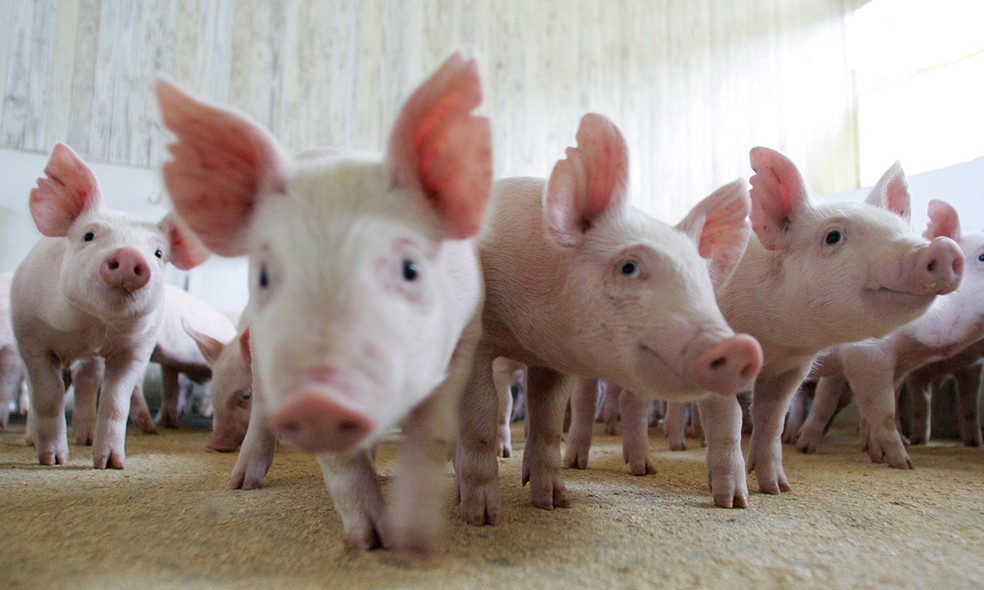
Suspension of pork imports by the Philippines, announced on Monday (9), is expected to drain cash from Brazilian hog farmers and erode profit margins at exporting companies, Valor has learned.
The Asian country’s decision, which follows mounting pressure on prices from imports that have hurt local producers, targets Brazil’s largest foreign market for pork. The surge in imports is believed to have depressed prices for domestically produced pork in the Philippines, with Brazil among the country’s leading suppliers.
With shipments to the Philippines halted, Brazilian hog farmers are expected to incur even greater losses from pork sales. They are already selling meat below production costs in the country’s main producing regions.
“We are currently operating at a loss. The cost of producing a kilogram is around R$6.30 to R$6.40, while sales prices have ranged from R$5.20 to R$6.00 per kilogram, depending on payment terms and the region of the state,” said Losevânio Luiz de Lorenzi, president of the Santa Catarina Association of Hog Farmers (ACCS). Santa Catarina is Brazil’s largest pork-producing state and exports to the Philippines.
The industry had been posting at least two consecutive years of strong results, largely driven by increased purchases from the Philippine market. Through October, the country accounted for 26% of Brazilian pork exports.
“In 2024 and 2025, we had good margins. Producers were able to make up for some of the losses from the previous crisis and get their finances back on track. Now we’re facing another squeeze,” Lorenzi said. He and the rest of the industry hope a delegation led by President Luiz Inácio Lula da Silva will return from the Philippines next week with news of a resumption of purchases after the 60-day period announced by the local government.
Exporters believe other markets could absorb some of the volume originally destined for the Philippines, but they expect a turbulent period, with profit margins coming under pressure.
“Pork is under pressure worldwide. We have markets where we can sell, but at lower prices. So this will naturally affect margins,” JBS global CEO Gilberto Tomazoni said during a conference call on the company’s third-quarter results. “But if we consider all of Seara’s revenues, the live hog business has the smallest impact compared with our other business lines.”
Wesley Batista Filho, who heads JBS’s U.S. operations and is expected to succeed Tomazoni as global CEO in 2027, also pointed to abundant global pork supplies during the conference call. He noted that the U.S. Department of Agriculture (USDA) forecasts a decline in global pork production in 2027, roughly matching this year’s increase.
“The most competitive countries will gain market share, while the less efficient ones will lose it. Globally, we will see an adjustment, but we must remember that the hog production cycle is shorter than the cattle cycle,” Batista Filho said, referring to the time it takes an animal to reach slaughter weight. He said he did not expect the current global pork supply situation to reverse completely by early in the second half of 2027, but indicated that ongoing production cuts should lead to a more favorable price environment.
A representative of another Brazilian pork exporter said the Philippines still lacks the capacity to produce enough pork to meet domestic demand and is therefore expected to continue importing. Brazil remains a competitive sourcing option for the country.
“In 2025, I visited a slaughterhouse in the Philippines that was operating at 40% of its slaughter capacity because there were not enough animals available. In September this year, the same plant was operating at 60% capacity because domestic supply had not recovered. This crisis in Brazil will be temporary,” said the executive, who declined to be identified.
*By Cassiano Ribeiro and Clarice Couto, Globo Rural — São Paulo
Source: Valor International
https://valorinternational.globo.com/