
CEO Magda Chambriard said oil company is submitting questions and proposed transition period during which no fines would be imposed
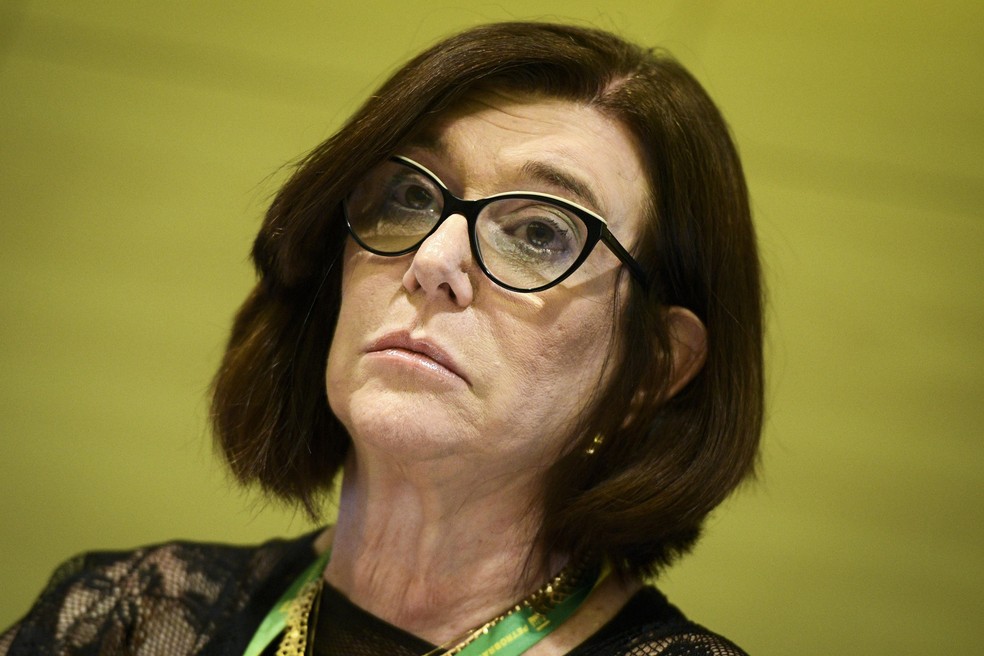
Petrobras CEO Magda Chambriard said on Monday (9) that the state-owned oil company had submitted questions regarding the tax reform to the Ministry of Finance, whose implementation will be phased in across the country.
Speaking at a legal conference at the Rio de Janeiro State School of Magistracy (Emerj), she said the company had raised concerns and questions about the tax reform, while several provisions are set to take effect beginning in 2027. In light of this, Chambriard said Petrobras had proposed to the Ministry the adoption of a transition period during which fines would not be imposed, allowing companies time to understand the changes.
The executive did not provide examples of the specific questions submitted but noted that uncertainties create room for risks, particularly when considering the company’s operations across different Brazilian states. “We do not really know what will happen [when the tax reform comes into effect]. We are taking risks, and risk is priced in,” she said.
However, Chambriard indicated that some of the company’s questions concern ICMS, a state-level tax, and the cumulative taxation of the levy. She emphasized that Petrobras paid a total of R$278 billion in federal and state taxes last year.
In her remarks, Chambriard highlighted the split payment mechanism, a new provision that separates the amounts corresponding to the new taxes (IBS and CBS) when a commercial transaction is financially settled. The mechanism would allow tax credits to be reimbursed more quickly.
According to her, the tax reform shifts ICMS revenue collection from producing states to consumer states. “When we look at a refinery, for example, we see ICMS being paid to the producing state on inputs, energy, and services.”
Chambriard added that the questions also concern how tax credits will be reimbursed. “This is an issue that will come up alongside the single-phase taxation system and the tax reform. We need to discuss this matter.” During her participation in the event, Chambriard referred to a “fiscal reform,” but Petrobras subsequently clarified that her remarks concerned the tax reform.
“There will be a period during which two tax systems will coexist, which will certainly generate various questions. Companies in general, including and especially Petrobras, have concerns about how this transition will take place. Initially, we believe that any differences in interpretation should not result in potential fines, but rather in constructive dialogue aimed at reaching a common understanding,” CEO Magda Chambriard said in a clarification.
Energy security
Chambriard emphasized that renewable energy must “move forward in parallel” with oil production to ensure energy security, reiterating the need for Brazil to pursue a just energy transition.
The executive stated that Petrobras is an energy company, that it was responsible for developing the country’s first onshore wind farm, and that renewable energy “must be affordable for society.”
The Petrobras CEO also pointed out that, during geopolitical conflicts, Brazil maintained stable diesel and gasoline prices and supplies, whereas other countries introduced measures to curb consumption of these fuels. She noted, for example, that diesel in the United States is currently costing “R$9 or R$10.”
*By Fábio Couto — Rio de Janeiro
Source: Valor International